Where to Stay in Sossusvlei
Sossusvlei is the postcard image of Namibia: red dunes exceeding 300 metres rising out of a white clay pan inside Namib-Naukluft Park, part of a desert widely considered among the oldest in the world. Dune 45, the most climbed and photographed, is simply named for sitting 45km along the road from Sesriem gate; Deadvlei's fossilised camel-thorn trees, standing for centuries in a pan too dry for them to decompose, sit a short walk beyond it. Stay on a private reserve bordering the park (like Kulala Wilderness Reserve) for a private gate that beats the sunrise crowds at the public entrance.
Recommended stay
2–3 nights
Drive from Windhoek
~5 hours

Why stay here
- Among the most photographed landscapes in Africa, and it earns it
- Private-reserve lodges offer their own park gate, ahead of the public queue
- Some of the darkest night skies in the world for stargazing
Worth knowing
- Daytime heat is extreme from October to March
- The final stretch to Sossusvlei itself needs a 4x4 or the shuttle
- Deadvlei involves a further 20–45 minute walk from the 2x4 car park
Best avoided if: You dislike early starts: the best light is before 8am
How many days in Sossusvlei?
Pick the length that matches your trip: each one is a real trade-off, not a list of boxes to tick.
Workable, but only one sunrise at the dunes
Two nights gives you one full sunrise session: Dune 45, then Deadvlei via the shuttle, then Sesriem Canyon in the cooler late afternoon. It's tight: you get the postcard shot, but no buffer if the light or your energy isn't right the first morning.
The right amount for a proper visit
Three nights gives you two sunrise sessions at the dunes instead of one, room to add a stargazing session on the NamibRand Nature Reserve side, and a genuine rest afternoon rather than driving straight out. This is the stay length we'd actually book.
Best lodges in Sossusvlei
No prices. No fake reviews. Chosen on setting, service and merit alone.
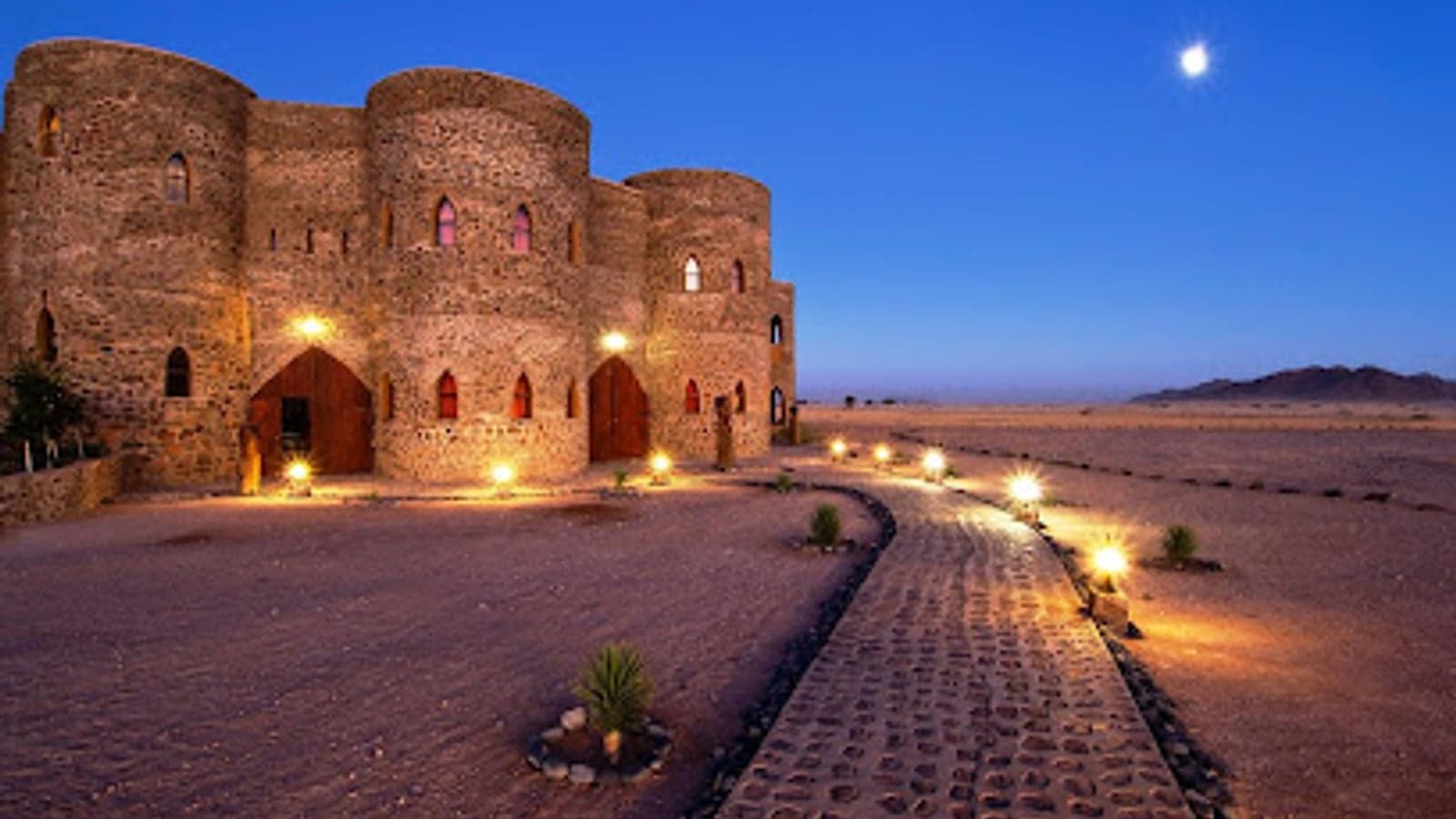
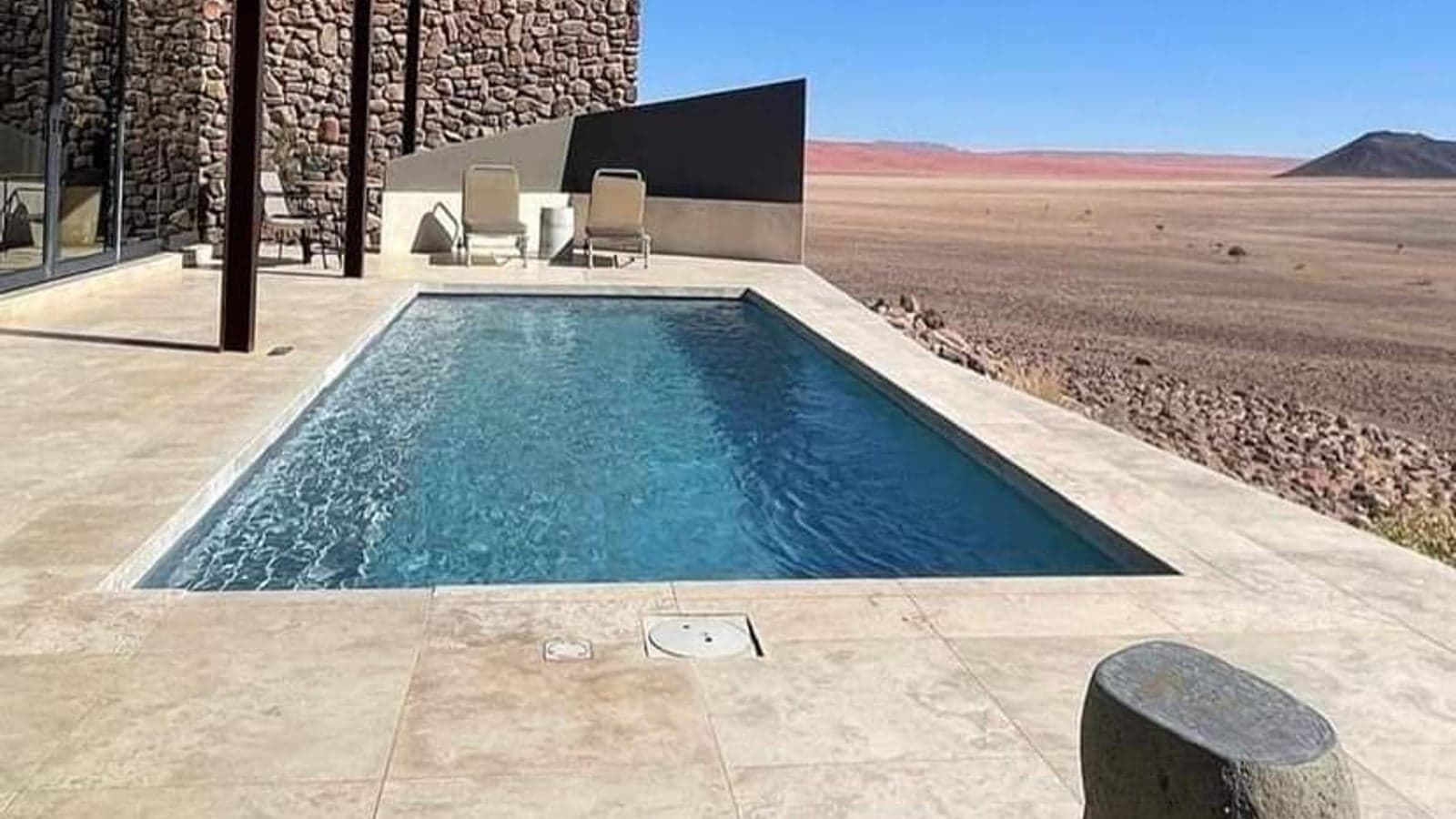
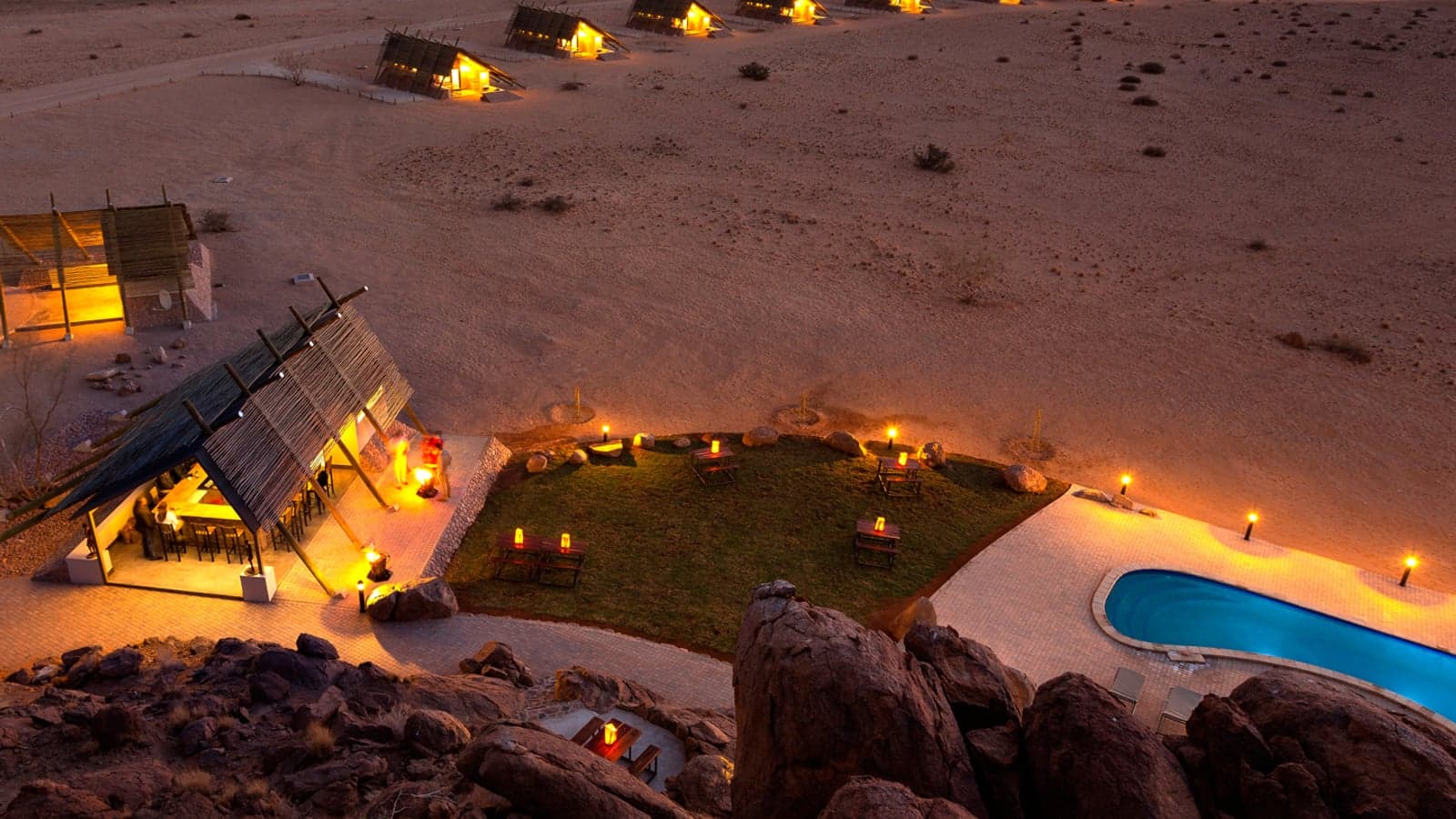
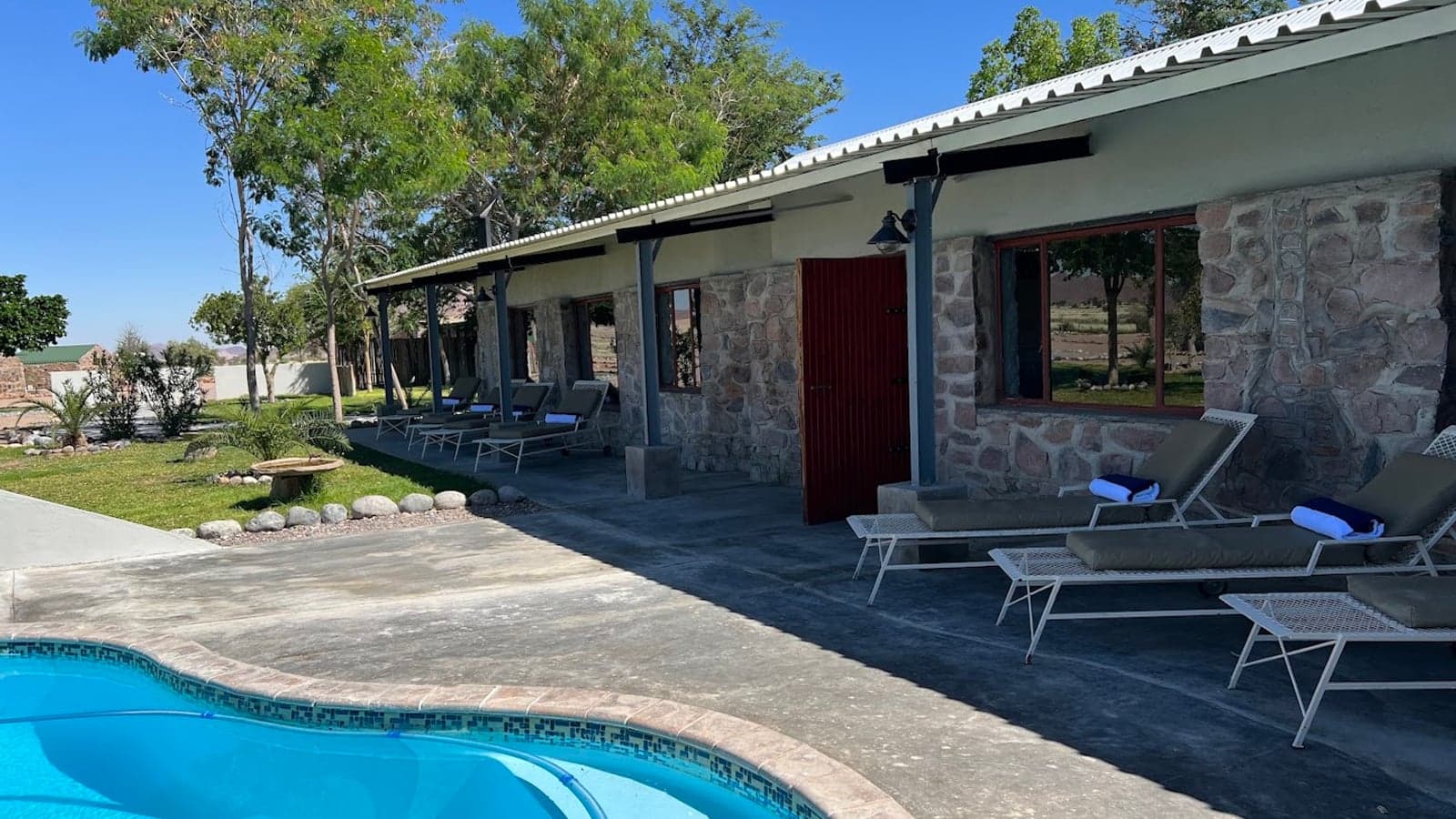
Map of stays near Sossusvlei
Every pin is a real, bookable stay, powered by our booking partner Stay22.
Often paired with Sossusvlei


Frequently asked questions
Do I need a 4x4 to visit Sossusvlei?
No for the drive in, yes for the last stretch. The tar and gravel road to Sesriem is fine in a normal car; the last 5km of soft sand to Sossusvlei itself needs 4x4 or the park's shuttle service. Our self-drive guide covers vehicle choice for the rest of the country if you're planning a full circuit.
What time should I arrive at the dunes?
Right at gate opening, which is sunrise. Arriving then avoids both the heat and the crowds on Dune 45 and at Deadvlei. Arrive even 30 minutes late in peak season and the car park at Sesriem is already filling up.
Can I still drive myself to Deadvlei?
No, as of 1 May 2026, private vehicles, including 4x4s, are no longer permitted on the final ~5km sand track from the 2x4 car park to the Deadvlei/Big Daddy 4x4 parking area. That stretch is now shuttle-only, using the official shuttle service or an NTB-registered lodge tour vehicle, at around N$260 per adult and N$130 per child under 12 (subject to change; confirm current pricing before you go). It's a recent change protecting the Namib Sand Sea, and shuttle wait times of around 30 minutes are commonly reported, so build that into your morning timing.
How tall are the dunes at Sossusvlei?
Big Daddy, beside Deadvlei, is the tallest in the immediate area at roughly 325 metres, among the tallest dunes on earth. Dune 45, the most-climbed, is lower but far more accessible, rising right at the roadside 45km from Sesriem gate. 'Big Mama,' next to Deadvlei itself, is the shorter, easier climb if Big Daddy's ridge walk looks like too much before breakfast.
How deep is Sesriem Canyon?
Sesriem Canyon cuts roughly 30 metres into the plain over about a kilometre, carved by the Tsauchab River, shallow enough to walk into without technical gear, and a good shaded midday option once the dunes themselves get too hot to climb.
Ready to explore Sossusvlei?
Browse every stay we recommend on the map above, or head back to see all ten regions.
See All Regions